Street Address
City, State, Zip
Phone Number
Moving stories. Inspiring change.
Your Custom Text Here

Your Custom Text Here
One of the best parts of doing this work is getting to nurture long-term relationships with our clients. We never think of our work as one and done. Many of our clients use our films as their ongoing marketing strategy; these organizations really understand the value of highlighting their success stories through short-form documentary. Heartfelt storytelling drives home the real-world impact of these organizations, and it allows the work to speak for itself. Whether it's a 4-5 minute mini documentary screening at a donor event, or a 60 second cutdown of that story for social media, it’s a platform for those whose lives have been transformed, and for the nonprofit whose work facilitated that transformation. Win-Win! These truly are humans, being… and that’s a beautiful thing.
We also create longer form documentaries (i.e. Unbound, Going Inside) which delve more deeply into a subject, project, organization or brand.
Winner, Best Documentary, Texas Short Film Festival.
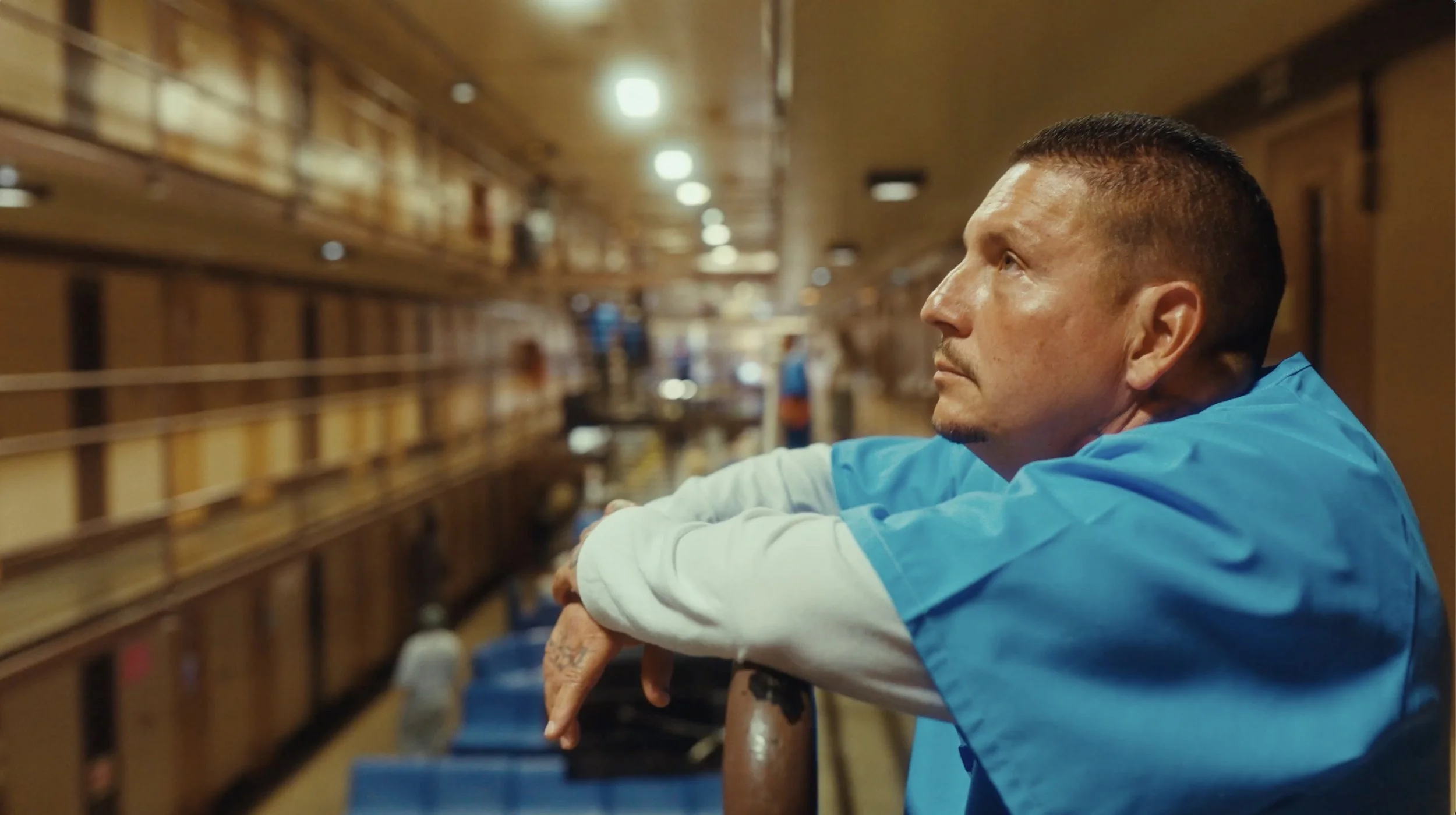
Trailer for 30 minute documentary ‘Going Inside’, documenting the transformational program Empathy in Action at CTF Soledad prison.
People’s Choice Award, Arts in Healing International Film Festival. 2025
Best Short Documentary, Best Director, Best Editing for Short Doc: Alpine International Film Festival, Switzerland, 2026
Unbound tells the powerful story of a community coming together to uplift those most impacted by severe mental illness through art.
1500 people created a striking 80-foot long sculpture at one of California’s largest psychiatric facilities, the Department of State Hospitals-Napa. Never before had an artwork of this magnitude been created inside a secure facility in partnership with the outside community.
Over 500 patients, 200 hospital staff and 800 community volunteers built a sculpture of collective liberation of hundreds of winged hearts flying free from a cage and together forged an innovative new model of participatory public art.
Emerging from one woman’s personal quest to heal from her family’s journey with schizophrenia, the Unbound project was conceived and offered as an antidote to the despair and isolation often associated with mental illness.
Unbound offers an inspiring example of personal and collective healing through art and serves as a powerful reminder of the boundless potential of the human spirit, showing what is possible when we open our hearts, lift each other up, and embrace the transformative power of art.
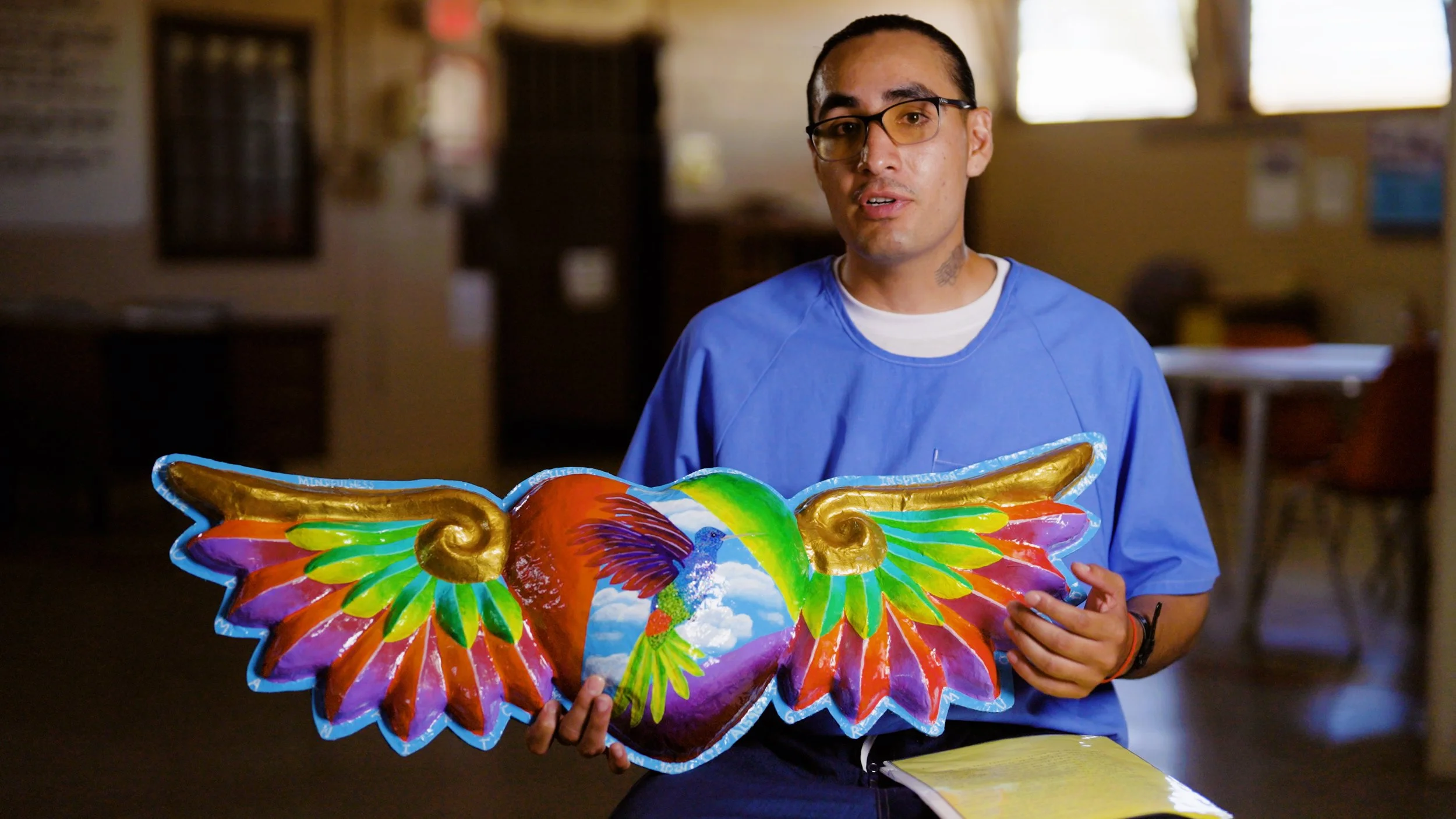
Interviews from inmates at CTF Soledad and CCWF Chowchilla, for the program Visions of Hope, a therapeutic art program offered by nonprofit Life on Art and exhibited at the Marin County Civic Center in 2024. Each heart had an accompanying documentary interview with the artist that could be watched on the Bloomberg app, either while perusing the exhibition, or separately.
Documentary about Kaitlin’s journey from homelessness to a fulfilling career and home life with her son.
The Sonder Project’s promotional film for international women’s day
Mini documentary following Donny, whose life on the streets was turned around when he found Homeward Bound. He ended up opening a successful boutique ice cream shop Garden Creamery in SF with his partner. Having had the support of Homeward Bound, life couldn’t be sweeter.
A story about Stephanie, another of Lifehouse’s super clients with a developmental disability, who uses their services to achieve independence and live a full life.
A story about Amy, one of the many wonderful clients of Lifehouse, an organization that helps people with developmental disabilities live full lives and achieve independence.
We create ongoing mini documentary series’ for clients like Transformative Justice Center of Monterey, Homeward Bound of Marin, Vivalon, and Lifehouse. These documentaries get to the heart of the work these organizations do for individuals, and they serve to educate, inspire and activate support - results run the gamut from from scoring hefty private donations and winning grants, to generating a new roster of volunteers or gaining followers on social media.
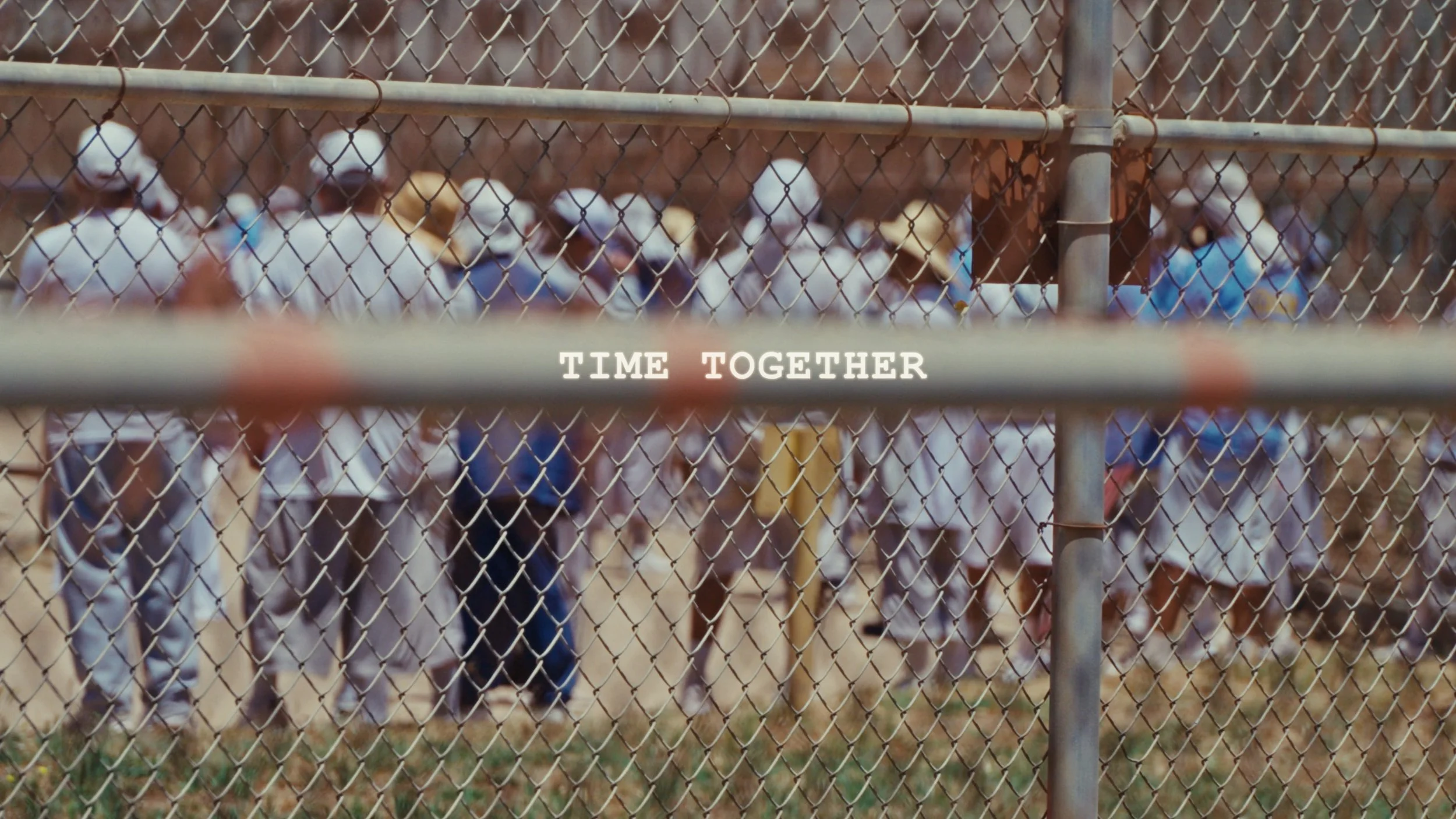
We are honored that our YouTube series ‘Time Together’ is the Bronze winner in the Human & Civil Rights category for the Webby’s 5th annual Anthem Awards 2025.
Empathy in Action holds a simple but radical belief: every person—regardless of guilt, innocence, or past action—deserves to be seen and treated with dignity, respect, and kindness. This 8-part Time Together series is a collaboration between the Transformative Justice Center’s Empathy in Action and Humans Being Media. It is an offshoot of a 35 minute documentary we filmed with the permission of CDCR inside CTF Soledad.
The goal of both the film and its exclusive YouTube series was to drive donations, build awareness, and mobilize volunteers for nonprofit The Transformative Justice Center and its extraordinary program Empathy in Action. But above all, our purpose is to humanize people serving time.
The fall program had a full roster of volunteers and new donors, and we trust the impact will continue to ripple. The best result of all was screening the film for the men on the inside and hearing what it meant to them to be seen and honored for the profound work they're doing to heal and grow.
This is the first episode in the YouTube series that is about a groundbreaking prison-based rehabilitation program. These mini docs capture the transformative journey of incarcerated individuals and public volunteers who come together through Empathy in Action. Over the course of eight weeks, deep bonds form, emotional walls break down, and profound healing begins to take shape—on both sides of the prison gate.
With exclusive access to the Correctional Training Facility in Soledad, California, filmmakers captured a rare, unfiltered look inside the prison as participants engage in raw dialogue, reflection, and human connection.
These mini docs reveal what rehabilitation in action look like, especially when we lead with courage, empathy, and an open mind.
This is the second episode in the YouTube series that tells the stories of our Brothers In Blue that are part of the prison-based rehabilitation program: Empathy In Action. It features JP, a participant whose quiet strength, honesty, and evolution remind us that presence is not passive — it's achieved through concerted effort, perspective, patience, and courage. Incarcerated at 20 and recently found suitable for parole after 28 years, JP is a man ready to return home.
This is the third episode of a YouTube series that delves into the stories of our Brothers In Blue who are part of the prison-based rehabilitation program Empathy In Action. It features Marisa, an Empathy in Action volunteer who has found profound healing in giving back as a volunteer in the program. She speaks to her own journey of rehabilitation from addiction and breaking the intergenerational cycles of incarceration.
These mini docs capture the transformative journey of incarcerated individuals and public volunteers who come together over the course of eight weeks. Deep bonds form, emotional walls break down, and profound healing begins to take shape—on both sides of the prison gate.
William was convicted of his crime as a teenager. He takes us inside his prison cell and gives us an insight into his previous life as a gang member. His father did time in the same prison, a living testament to the intergenerational cycles of incarceration.
This is the fourth episode of our YouTube series that delves into another story from our Brothers In Blue who are part of the prison-based rehabilitation program Empathy In Action.
Empathy in Action holds a simple but radical belief: every person—regardless of guilt, innocence, or past action—deserves to be seen and treated with dignity, respect, and kindness.
In this 5th short film of our 8-part Time Together series—a collaboration between the Transformative Justice Center’s Empathy in Action and Humans Being Media—we invite you to meet Darrick Booker.
Darrick is a man of deep integrity. He is also a man who has unwaveringly maintained his innocence since day one. You can watch the video at the link below, and also learn more about Darrick’s case and the ongoing innocence investigation.
There is something especially unbearable about locking someone away for decades for a crime they did not commit. We invite you to step into Darrick’s shoes. Imagine living year after year in a cold, dark, isolated cell knowing, without a shadow of a doubt, that you are innocent.
But here’s what’s extraordinary: in this video, Darrick doesn’t talk about his case. He doesn’t mention his innocence. Instead, he talks about the hard work of healing in prison, the effort it takes to grow, to transform, to reclaim a sense of worth and hope. He speaks about how, when people inside are given the right tools, guidance, and support, they rise, they become better people.
He asks us not to give up on anyone. Most people don’t want to live a life without purpose. Most people long for connection and progress. And while Darrick is quite exceptional—eloquent, grounded, and real—he is not the exception. There are millions of people behind bars in this country with something of value to say, with wisdom to share, and with hearts ready to heal.
Empathy in Action is about listening. Bearing witness. If you are moved by Darrick’s story—or any of the previous four videos in this series—we invite you to stand with this work. Please consider making a donation to Empathy in Action or better yet, volunteer to come inside. Because our prison system is, in many ways, a warzone—and we need warriors of goodness and peace. People with courage. People like you.
Thank you for your time, your presence, and your belief in the power of redemption.
In this 6th short film of our 8-part Time Together series—a collaboration between the Transformative Justice Center’s Empathy in Action and Humans Being Media—we invite you to meet Juju, one of our amazing volunteers.
Juju has done 4 rounds of Empathy in Action. With a passion for transformative and restorative justice, and victim offender dialogues, she volunteers with other organizations as well. She has a deep respect for the work of Empathy in Action and the incarcerated men who are doing the hard work of healing. The men, in turn, have nothing but respect and admiration for her kind and open heart.
We also introduce Antwane, one of the presenters of the 'We Care' Youth Program, created and run by incarcerated men who want to have a profoundly positive impact on young men who may be in similar circumstances to what they faced in their youth. With raw honesty and vulnerability, they share their own stories and show the brutal realities of prison. Finally, the brothers in blue entreat the young men to consider their actions, and to show up differently than they did.
Empathy in Action is about listening. Bearing witness. If you are moved by this, or any of the previous videos in this series, we invite you to stand with this work. Please consider making a donation to Empathy in Action or better yet, volunteer to come inside. Because our prison system is, in many ways, a warzone—and we need warriors of goodness and peace. People with courage. People like you.
Thank you for your time, your presence, and your belief in the power of redemption.
Henry Miles just turned 52 years old inside the walls of CTF Soledad. He’s been incarcerated since he was 24— a young man, sentenced to 55 years to life.
Today, he's not just serving time—he’s transforming it.
Known simply as “Miles” to most, he’s the Empathy in Action internal coordinator and the force behind this week’s 7th episode of our Time Together documentary series, created in collaboration with Humans Being Media and the TJC.
Since the very beginning of the program, Miles has shown up—coordinating, troubleshooting, guiding. Thanks to the Community Resource Management team who named him our official “helper,” Empathy in Action wouldn’t run the way it does without him. He’s been instrumental to our success and to the sense of trust, flow, and consistency we’re able to offer every week.
Prison is complex. There are unspoken systems, power dynamics, and codes that only someone on the inside can truly understand and navigate. Miles does this with clarity, calculation, and deep care.
In this week’s film, you can see it in his eyes. You can hear it in his voice.
He’s passionate about the work—work that he has been foundational in building over the last three years. He’s not just a participant; he’s a leader, a steward, a facilitator, and a bridge between worlds.
This episode is a tribute to his vision, his humility, and his quiet power.
We invite you to witness the man behind the scenes.
To hear his story.
To feel his heart.
You won’t forget him.
We meet Jose 'Junior' Guzman in this 8th and final episode of our Time Together documentary series, a collaboration between Humans Being Media and the Transformative Justice Center's Empathy in Action program.
Raised in a community rife with gang violence, bullying, and addiction, Junior found himself on a path shaped by trauma, normal by his standards. From a young age, he was not only subjected to discrimination and abuse but also introduced to drugs at the age of 14. As a young immigrant in a gang-infested neighborhood, Junior was not given the tools to process or heal from his trauma, which led to behaviors that, while understandable, would eventually result in a conviction for a crime he didn’t commit with a sentence of 32 years to life.
Yet, this is not the end of Junior’s story. It is, in fact, a story of healing and hope. Through programs like Empathy in Action, Junior has begun the long and difficult process of transforming his pain. He has used his past not as a weight that holds him back, but as a tool for growth and understanding.
Junior’s participation in Empathy in Action is helping him shift from victimhood to survivor, from punishment to healing. His reflections on the generational trauma that shaped his life—on how the system failed him and countless others—remind us that when we offer people the chance to heal, to process their trauma, they can transform not just their own lives, but the world around them.
Please witness Junior in this final episode of Time Together, as he shares his own empathy in action. And as he says: "I hope to watch this video five, ten years down the line and look back at myself and say, this is where it all started.”
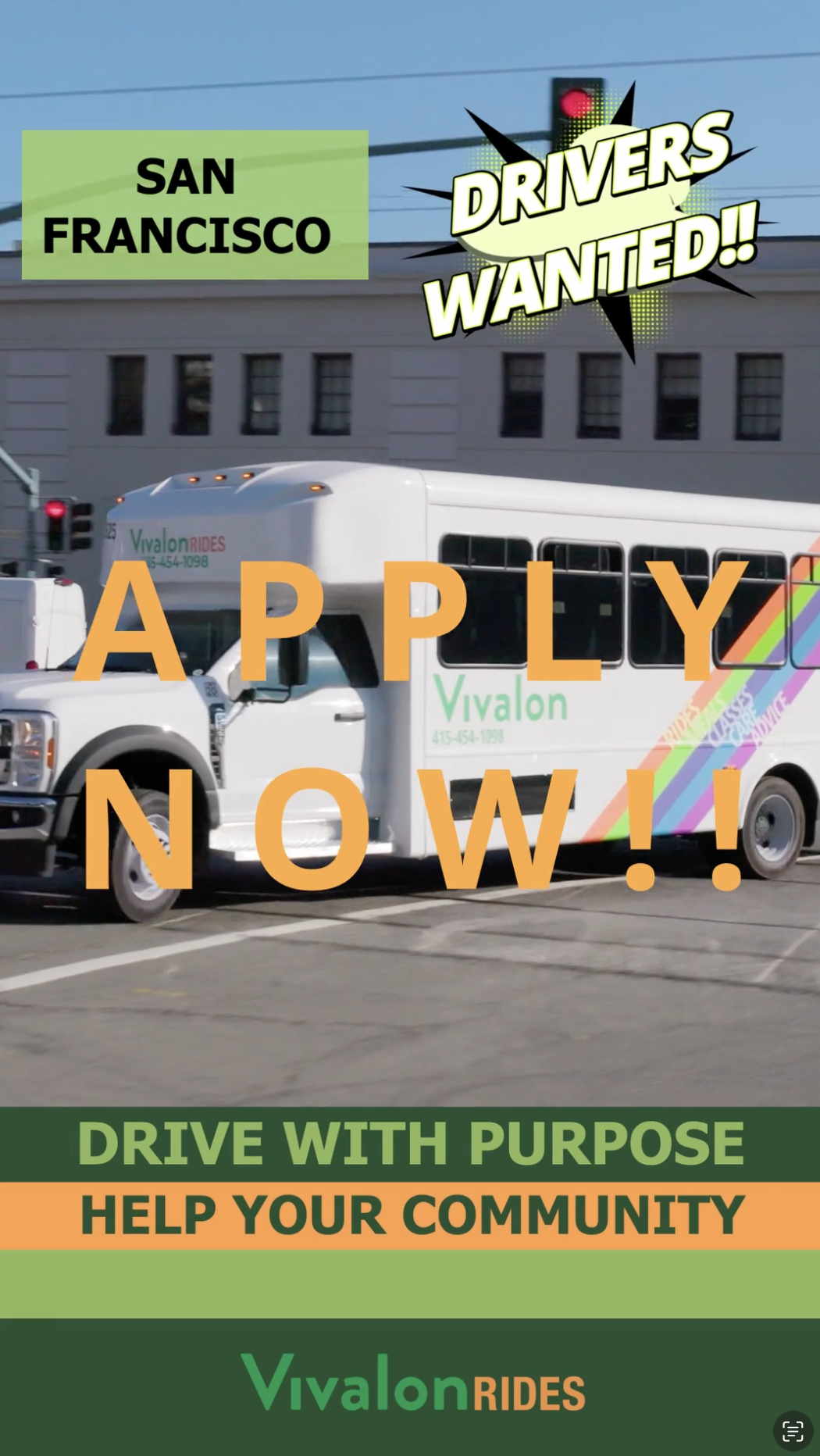
15 second social media commercial for driver recruitment
We work closely with talented, trusted animators and voiceover artists to bring your vision to life- well, at least to 2D! Sometimes a story simply wants to be told through animation, and we are always happy to collaborate with wonderful artists to help you make that happen.
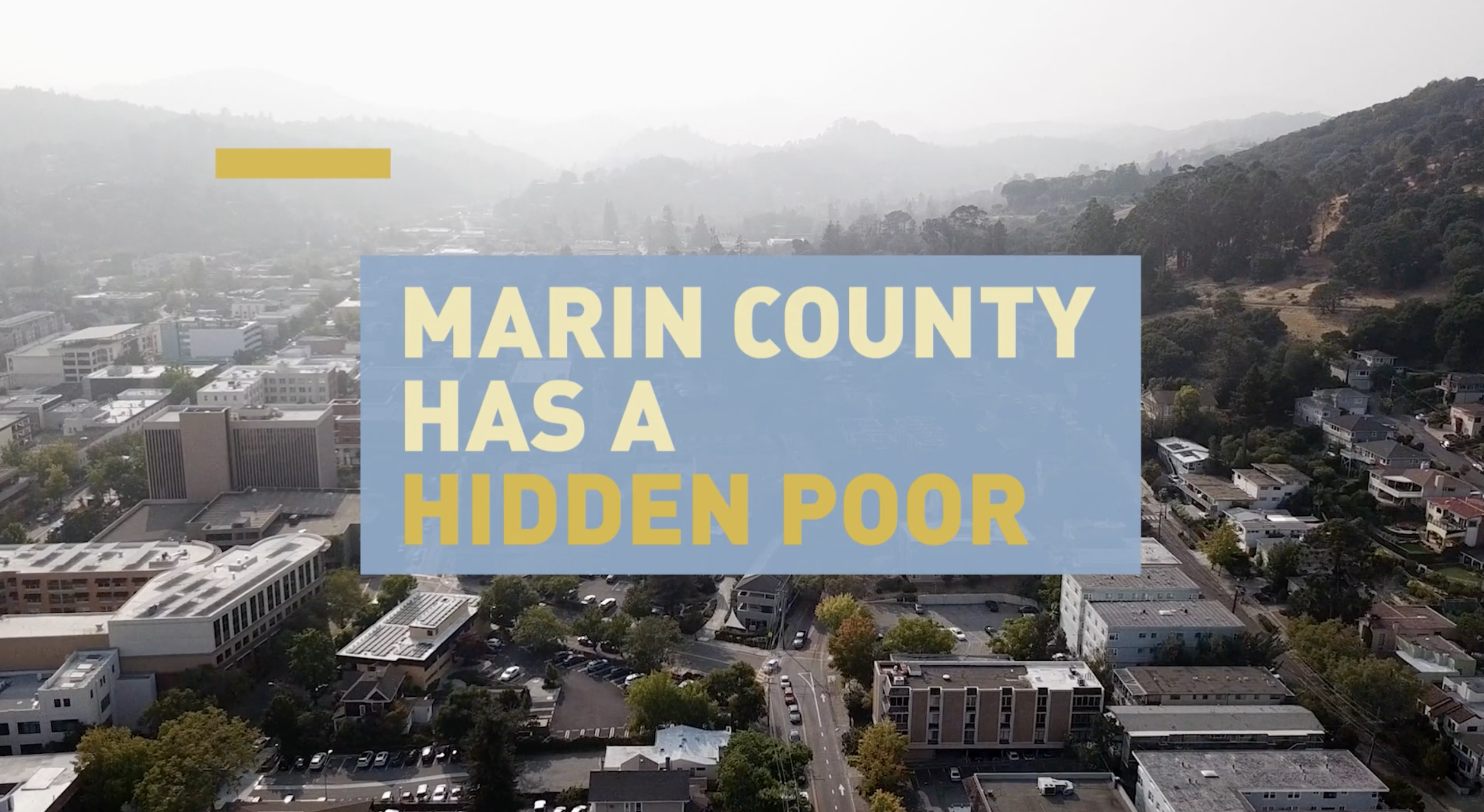
These capital campaigns are created for foundations & nonprofits to present at high-level donor meetings. They are longer form than most of the public-facing films, and as such are able to cover more ground. Short form documentary packed with information with in-depth interviews and specifically targeted motion graphics help to uncover or explain themes that matter to the donor audience. Testimony through key interviews and explanatory B roll help donors visualize what it is they are investing in and the difference they could make. These films also provide great value as they can be repurposed for public consumption into a shorter form factor, usually 3 to 4 minutes plus social media cut downs.
Of course, sometimes a tongue in cheek viral video can illustrate a point as well!










Quisque iaculis facilisis lacinia. Mauris euismod pellentesque tellus sit amet mollis.